
Direct answer
What is a 3D navigation dental implant?
Three-dimensional imaging and digital scans help the dentist evaluate bone, nearby anatomy and the planned restoration. A guide may then support accurate placement when it provides a clinical benefit.
A clear treatment sequence
1. Pre-visit review
Share recent panoramic or CT images if available, medications, relevant conditions, smoking status and travel dates through Online Chat or email.
2. Examination and 3D assessment
Dr. Kang evaluates the site, gum health, bite and healing risks. You receive an explanation of implant and non-implant alternatives, likely stages, risks and costs.
3. Placement and early review
When appropriate, implant placement is followed by written aftercare. In selected cases a temporary tooth may be possible, but most implants need a healing period.
4. Final tooth and maintenance
The final restoration is fitted after adequate healing. Ongoing cleaning, bite review and professional maintenance protect the result.
Who may need a modified plan?
- Patients with limited bone or anatomy close to nerves or sinuses
- Active gum disease, infection or uncontrolled grinding
- Medical conditions or medicines that affect healing
- Smoking or limited ability to attend follow-up
Possible alternatives include preserving the tooth, a bridge, a removable prosthesis or delayed care.
A clinic implant example
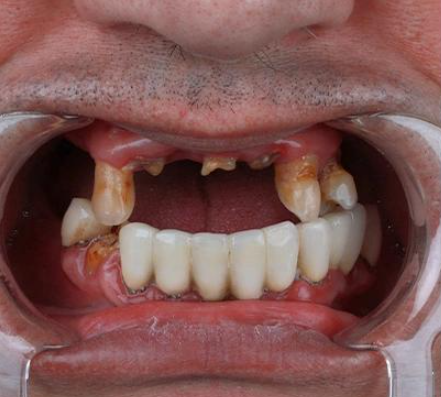 BEFORE
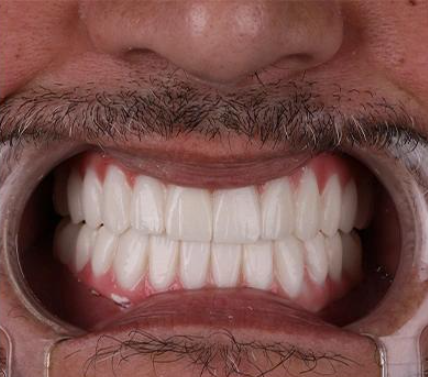 AFTER
AFTERFunction restored with implant treatment
Actual clinic case. Results vary with diagnosis, bone, health, materials and maintenance.
Planning from overseas
Implant placement and the final crown are often separated by months of healing. The clinic can help reserve suitable appointment time before travel, but final treatment timing is confirmed only after examination.